05 Nov 2025
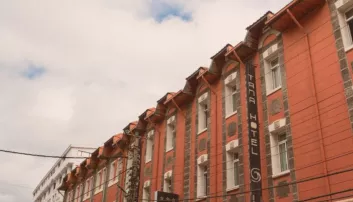
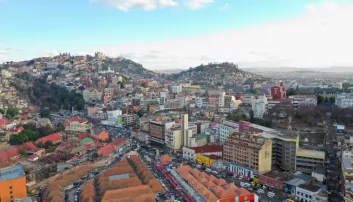
In the heart of the Antaninarenina business district stands a majestic witness to the history of Madagascar's capital: the Fumaroli building. Built in 1920, this century-old structure has witnessed over a century of history, housing prominent figures, significant events, and urban transformations. Today, respectfully and passionately transformed into the Tana Boutique Hotel, this architectural gem tells the story of Madagascar while embracing modernity. Let's delve into the fascinating history of this heritage jewel and discover how tradition and innovation coexist harmoniously within its walls steeped in history.
The Origins: 1920, A Time of Transformation
At the beginning of the 20th century, Antananarivo underwent a period of profound transformation. The city, capital of the Merina kingdom and then of the French colony from 1897, saw the emergence of its first major modern buildings. It was in this vibrant context that the Fumaroli building was built in 1920, designed by a visionary architect who wanted to leave his mark on the capital's urban landscape.
The building's architecture reflects its era: elegant facades inspired by the French colonial style, high ceilings to combat the heat, large windows to maximize natural light, and a solid structure designed to withstand the test of time. The choice of local materials (stone, fine wood) combined with European construction techniques created a hybrid building, reflecting the Madagascar of the time, a blend of tradition and modernity.
More than a century of history
For a century, the walls of the Fumaroli building have witnessed Madagascar's tumultuous evolution. They have seen the colonial era unfold, heard the cries of joy at independence in 1960, weathered periods of prosperity and economic crisis, and withstood successive political changes.
The building has served many purposes over the decades: administrative offices, private residences, shops. Each era has left its mark, adding layers of history to this structure, which has gradually become a familiar landmark in the Antaninarenina district, a visual reference point for the residents of Antananarivo.
Unfortunately, like many historic buildings in Antananarivo, the Fumaroli has suffered from a lack of regular maintenance. By the early 2010s, it was showing worrying signs of deterioration: damaged facades, weakened internal structures, and outdated facilities. Its future seemed uncertain, facing either costly renovation or outright demolition.
The Restoration Project: Respect for Heritage
This is how an ambitious project was born: to transform this endangered heritage site into a luxury boutique hotel that would honor its history while meeting the most demanding international standards. The challenge was significant: how to preserve the soul and historical character of the building while transforming it into a modern and comfortable five-star establishment?
The restoration team, composed of heritage architects, skilled local artisans, and contemporary designers, worked hand in hand for months to find the right balance. The philosophy was clear: every original element that could be preserved had to be, and every modern intervention had to be respectful and reversible.
The Technical Challenges of the Restoration
The restoration of the Fumaroli required considerable technical expertise. The building's load-bearing structure had to be reinforced to ensure current safety standards without altering its exterior appearance. The centuries-old foundations have been reinforced, and the rotten wooden beams replaced with identical replicas crafted by traditional Malagasy carpenters.
The historic façade, a major heritage feature, has received meticulous attention. Every stone has been cleaned, restored, or replaced with an identical one. The ornamental moldings, some of which were damaged, have been reconstructed by sculptors using period techniques. The imposing original windows have been preserved, their precious wood frames restored, and fitted with modern, insulating glazing that is invisible from the outside.
A Blend of Heritage and Modernity
The building's interior reflects a subtle dialogue between past and present. Certain original architectural elements have been highlighted: restored carved wooden staircases, renovated period stained-glass windows, preserved generous ceiling heights, and sanded and refinished hardwood floors.
At the same time, all technical installations have been discreetly and completely renewed: modern, invisible air conditioning, electrical and IT cabling integrated into the structure, plumbing updated to current standards, and state-of-the-art fire safety systems. Contemporary comfort lies hidden behind the charm of the past.
The interior design celebrates this duality: contemporary designer furniture sits alongside traditional Malagasy art objects, ultra-modern LED lighting is housed in retro-inspired chandeliers, and bathrooms equipped with cutting-edge technology feature handcrafted washbasins made of local stone.
An Example of Heritage Preservation
The transformation of the Fumaroli building into the Tana Boutique Hotel is an inspiring example of successful heritage preservation. Rather than resorting to the easy option of demolition and reconstruction in favor of a new, more functional building, the decision was made to preserve this landmark of Antananarivo's urban history and give it a respectful second life.
This project demonstrates that it is possible to economically enhance architectural heritage while preserving it for future generations. The Fumaroli building, now protected and professionally maintained, will continue to tell the story of Madagascar for decades to come.
Conclusion
The Fumaroli building, over a century old, has found a new purpose as the Tana Boutique Hotel. This heritage revival proves that tradition and modernity are not opposed, but mutually enriching. By staying at our hotel, you are not simply renting a room: you are inhabiting a piece of living history, sleeping within walls that have witnessed Madagascar's evolution, and contributing to the preservation of this exceptional heritage.